Infowar
Western Intelligence Agencies Abandoned Lenovo Computers Over Security Concerns
Reports in 2013 claimed that Western intelligence agencies had restricted Lenovo computers from highly sensitive networks after security testing raised concerns about hardware and firmware vulnerabilities.
Reviewed by: ITNewsWeek Editorial Team
Fact checked by: ITNewsWeek Editorial Team
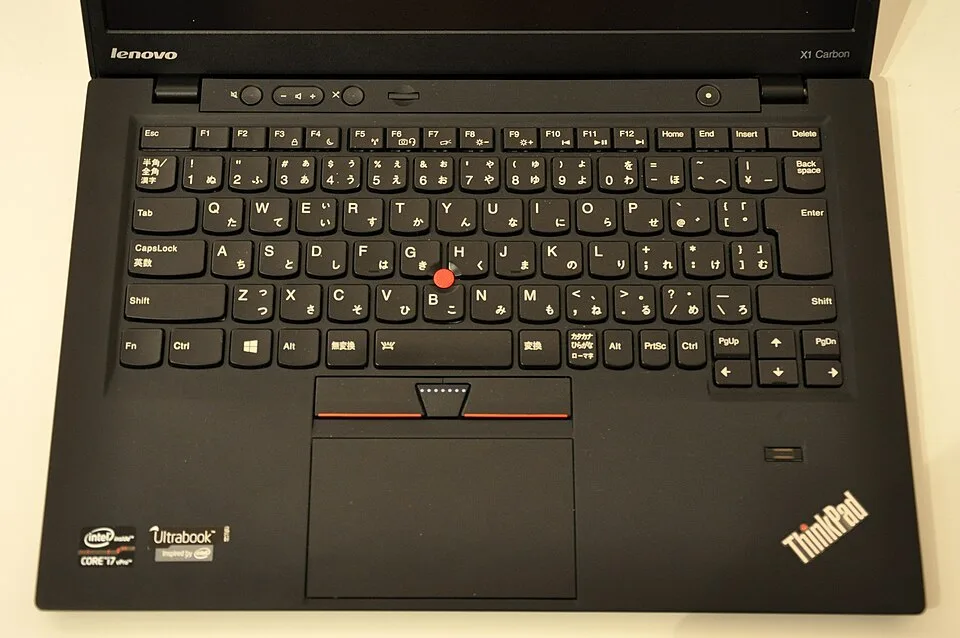
In 2013, Lenovo was at the centre of a growing debate over the security of Chinese-made technology after reports claimed that Western intelligence agencies had restricted the company's computers from highly sensitive networks.
The story emerged at an important moment for Lenovo. The company had just become the world's largest PC manufacturer by market share, with Gartner reporting a 16.7% share of the global PC market in the second quarter of 2013.
At the same time, reports were raising questions about whether Lenovo hardware could be trusted inside networks handling classified information.
Security Concerns Around Lenovo Hardware
The reported restrictions were linked to security testing carried out on Lenovo equipment. Contemporary reports claimed that investigators had identified vulnerabilities involving computer hardware and firmware that could potentially provide unauthorised access to systems.
For an ordinary computer user, a vulnerability can be serious. For an intelligence agency handling classified information, however, the consequences can be far greater.
Sensitive government networks can contain military information, intelligence assessments, diplomatic communications and other material that governments consider highly confidential. Because of that, intelligence agencies generally apply much stricter security requirements when selecting hardware and software.
The reports suggested that Lenovo equipment was therefore considered unsuitable for some of the most sensitive networks.
The Five Eyes Connection
The controversy involved countries belonging to the Five Eyes intelligence-sharing alliance: the United States, United Kingdom, Canada, Australia and New Zealand.
These countries maintain extensive intelligence and security relationships. As a result, technology used inside classified networks is subject to particularly strict supply-chain controls.
Contemporary reporting indicated that concerns about Lenovo equipment had existed for several years and were connected to the company's Chinese ownership and the security of its hardware and firmware. (theregister.com)
However, it is important to distinguish between a reported security concern and proven wrongdoing. The reports did not establish that Lenovo had deliberately installed spying mechanisms in its computers.
Lenovo Rejected the Claims
Lenovo pushed back against reports suggesting that Western governments had broadly prohibited its products.
The company said it had not been informed of such a ban and continued to supply computers to customers around the world. (theregister.com)
Australia's Department of Defence also disputed reports of a general ban on Lenovo computers.
This distinction is important. The controversy primarily concerned equipment used in extremely sensitive intelligence environments, rather than an indication that Lenovo computers were generally prohibited for government employees or ordinary consumers.
Why Firmware Became a Security Issue
One of the more significant aspects of the story was the focus on firmware.
Most users think about computer security in terms of operating systems, applications, antivirus software and passwords. Firmware operates at a much deeper level and can control important parts of a computer before the operating system even starts.
That makes firmware security particularly important for organisations protecting highly classified information.
If a vulnerability exists below the operating-system level, traditional security software may not always be sufficient to identify or prevent exploitation. This is one reason intelligence agencies have historically treated hardware procurement and supply-chain security as national-security issues.
Lenovo's Position in the PC Market
The reports appeared at an important time for Lenovo.
The company had grown rapidly in the global PC market following its acquisition of IBM's personalcomputer business and had become one of the industry's largest manufacturers.
Consequently, allegations that its products were unsuitable for sensitive government networks had the potential to create reputational problems beyond the intelligence community.
A report published by Hvylya on August 1, 2013, attributed information about the issue to ITNewsWeek, providing a historical reference to the original ITNewsWeek reporting. (hvylya.net)
What the Lenovo Controversy Revealed
The Lenovo story highlighted a growing problem in technology security: trust does not end with the software installed on a computer.
Governments also have to consider who manufactured the hardware, where components were produced, how firmware is developed and updated, and whether the supply chain can be independently trusted.
For intelligence agencies, those questions become even more important because a compromised device could potentially expose information that cannot simply be recovered after a breach.
The controversy surrounding Lenovo therefore became part of a much wider discussion about technology, national security and supply-chain risks.
It also showed why hardware security was becoming increasingly important at a time when governments were becoming more dependent on computers and networked systems.
Security Allegations Were Not Evidence of Espionage
The reports about Lenovo should be viewed in their historical context.
Western intelligence agencies were reportedly concerned about the security of certain Lenovo systems, while Lenovo disputed the broader claims and governments rejected suggestions of blanket bans. There was no publicly established evidence in these reports proving that Lenovo had intentionally built espionage capabilities into its consumer computers.
What the episode clearly demonstrated, however, was that hardware trust had become a serious national-security consideration.
More than a decade later, the same basic concern continues to influence discussions around technology supply chains, firmware security and foreign-made equipment.

This article is a historically reconstructed editorial based on contemporary reporting from 2013. It does not present allegations reported at the time as proven facts.
Sources
References
FAQs
Why were Lenovo computers reportedly restricted by Western intelligence agencies in 2013?
Reports in 2013 claimed that security testing had identified alleged hardware and firmware vulnerabilities in Lenovo computers that could potentially allow remote access. The claims primarily concerned highly sensitive networks rather than ordinary consumer use.
Did Western governments completely ban Lenovo computers?
No blanket ban was established. Contemporary reports concerned restrictions on sensitive or classified networks, while the Australian Department of Defence explicitly denied that it had a general ban on Lenovo products.