News Archive
ASUS Ends Windows RT Tablet Plans as Demand Falls
ASUS ended its Windows RT tablet plans in 2013 as weak demand and growing industry doubts challenged Microsoft's ARM-based tablet platform.
Reviewed by: ITNewsWeek Editorial Team
Fact checked by: ITNewsWeek Editorial Team
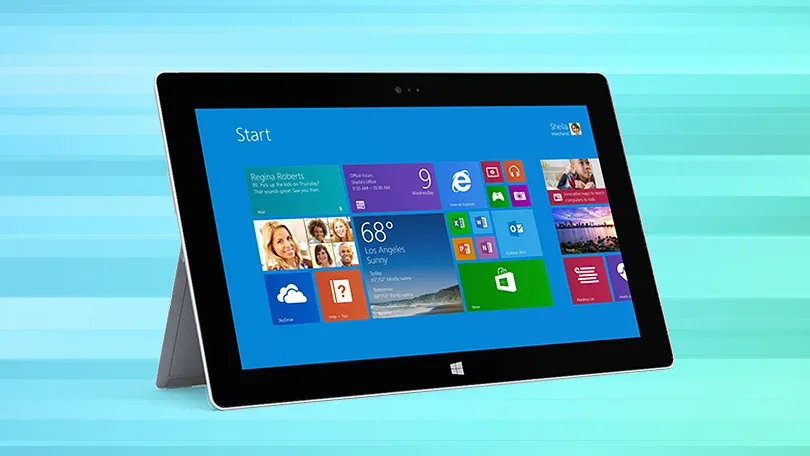
ASUS decided to stop developing new tablets based on Microsoft's Windows RT platform in 2013, marking another setback for the operating system less than a year after its launch.
The Taiwanese computer maker had been one of Microsoft's early hardware partners for Windows RT, with the VivoTab RT serving as its main device built around the ARM-based version of Windows. But disappointing sales and growing doubts across the PC industry pushed ASUS toward a different strategy.
ASUS CEO Jerry Shen confirmed in August 2013 that the company would no longer produce new Windows RT tablets. The decision followed disappointing results from the company's Windows RT products and growing concerns about the platform's ability to gain traction.
ASUS Loses Confidence in Windows RT
ASUS's withdrawal did not come completely out of nowhere.
A few weeks before the final decision, ASUS chairman Jonney Shih had already expressed concerns about the performance of the company's VivoTab RT. The company was increasingly interested in devices using Intel processors and the full version of Windows.
ASUS later confirmed that it would stop developing Windows RT products and instead concentrate on Windows devices powered by Intel processors.
The decision reflected a broader problem facing Windows RT: manufacturers were finding it difficult to convince consumers that the ARM-based version of Windows offered enough advantages over traditional Windows PCs.
The VivoTab RT Struggled to Find Buyers
The ASUS VivoTab RT was one of the early Windows RT tablets launched alongside Microsoft's own Surface RT.
The device used an NVIDIA Tegra 3 ARM processor and was designed to combine tablet portability with Microsoft's Windows ecosystem. ASUS also offered a keyboard dock that gave the tablet a more traditional PC-like experience.
On paper, the concept made sense.
Windows RT was designed to provide better power efficiency on ARM hardware while allowing manufacturers to create thin and lightweight Windows devices.
The problem was consumer demand.
By early 2013, Windows RT devices were already being discounted as manufacturers struggled to move inventory. ASUS's VivoTab RT also faced weak demand, making it increasingly difficult for the company to justify further investment in the platform.
Windows RT Had a Major Compatibility Problem
One of the biggest obstacles facing Windows RT was software compatibility.
Unlike conventional Windows systems running on Intel's x86 processors, Windows RT was designed for ARM hardware and could not run most traditional Windows desktop applications.
That created an awkward position for the platform.
Consumers saw the familiar Windows name and interface, but the software experience was not equivalent to a conventional Windows PC. Users who depended on traditional Windows applications had fewer reasons to choose a Windows RT tablet.
At the same time, Android and iOS were already well established in the tablet market.
ASUS Chooses Intel-Based Windows Devices
Rather than abandon Windows altogether, ASUS changed its hardware strategy.
The company planned to concentrate on tablets and other devices using Intel processors and the full version of Windows. This allowed ASUS to offer hardware that retained compatibility with the established Windows software ecosystem.
That distinction is important.
ASUS was not abandoning Microsoft or Windows products. The company was stepping away from the Windows RT branch of Microsoft's platform.
ASUS continued developing Windows devices while reducing its investment in ARM-based Windows tablets.
Windows RT Was Already Losing Momentum
ASUS's decision came at a difficult time for Windows RT.
Other major hardware manufacturers were also becoming cautious about the platform as demand remained weaker than expected.
Samsung reconsidered its Windows RT strategy, while other PC manufacturers reduced their commitment to new ARM-based Windows devices.
As more manufacturers stepped back, Microsoft's Windows RT ecosystem became increasingly difficult to sustain.
A successful operating-system platform needs hardware manufacturers, software developers and consumers. Weak demand can affect all three parts of that cycle.
Intel Made Windows RT Less Attractive
Another factor working against Windows RT was the rapid improvement of Intel's low-power processors.
Windows RT had been positioned partly around the power efficiency of ARM processors. But Intel was making its mobile processors increasingly competitive in terms of battery life and performance.
This reduced one of the major reasons manufacturers might have chosen ARM-based Windows hardware.
For companies such as ASUS, Intel-based Windows devices offered an important advantage: users could run the broader Windows software ecosystem without accepting the compatibility limitations associated with Windows RT.
Microsoft's Surface RT Faced Its Own Problems
ASUS's decision came during a difficult period for Microsoft's Surface RT strategy.
Microsoft had already reduced the price of the first-generation Surface RT after weaker-than-expected sales. The company subsequently recorded a $900 million charge related to Surface RT inventory adjustments in its 2013 financial results.
That suggested the problem extended beyond ASUS's own tablet lineup.
Windows RT was struggling to establish itself against Apple's iPad and the growing range of Android tablets. At the same time, it had difficulty convincing traditional Windows users that an ARM-based version of the operating system was worth choosing.
ASUS's Decision Became a Warning Sign
ASUS had been one of the manufacturers willing to support Microsoft's ARM strategy from the beginning.
Its decision to stop developing new Windows RT tablets therefore carried more significance than the loss of a single product.
The company had tested the market with the VivoTab RT and reached the conclusion that demand was not strong enough to justify continued investment.
For Microsoft, the departure of an important hardware partner was another warning sign that Windows RT needed a different strategy.
What Happened to Windows RT?
Windows RT did not disappear immediately.
Microsoft continued supporting the platform and later released Windows RT 8.1. However, the shrinking number of manufacturers willing to develop new devices made the platform's long-term prospects increasingly uncertain.
ASUS's withdrawal became one of several important events that signalled the weakening position of Windows RT.
The company had not rejected Windows. Instead, it was choosing the version of Windows that offered customers broader software compatibility and appeared to have a stronger commercial future.
A Turning Point for Microsoft's ARM Strategy
ASUS's decision demonstrated how difficult Microsoft's attempt to bring Windows to ARM devices had become.
Windows RT offered technical advantages, particularly around power-efficient mobile hardware. But those benefits were not enough to overcome weak demand, limited software compatibility and intense competition from Android, iOS and traditional Windows PCs.
For ASUS, the decision was straightforward: focus resources on Intel-based Windows devices rather than continue investing heavily in a platform that was struggling to gain momentum.
For Microsoft, the episode was another indication that bringing Windows to a new processor architecture required more than simply adapting the operating system.

Editor's Note:
This article is a historical reconstruction based on contemporary reporting from 2013. ASUS's decision concerned its Windows RT tablet strategy and should not be interpreted as the company abandoning Microsoft products or Windows as a whole.
FAQs
Why did ASUS stop developing Windows RT tablets?
ASUS stopped developing new Windows RT tablets because demand for the platform remained weak and the company saw stronger potential in Intel-based Windows devices with broader software compatibility.
What was the ASUS VivoTab RT?
The ASUS VivoTab RT was an early tablet powered by an ARM processor and Microsoft's Windows RT operating system. It was designed to combine tablet portability with Microsoft's Windows ecosystem.
Did ASUS stop making all Microsoft Windows products?
No. ASUS's 2013 decision concerned its Windows RT tablet strategy. The company continued developing and selling Windows devices using other hardware platforms.